In Germany, you can find almost any prescription medication at a local Apotheke, but expect to pay a small co-payment regardless of your insurance. Knowing how the pricing, emergency services, and professional roles work will save you a lot of frustration when you’re actually feeling unwell.
How Much You Actually Pay at the Counter
The German healthcare system is efficient, but it isn’t free. When you walk into a pharmacy with a prescription, the cost depends on whether you have private insurance or part of the statutory system. Most people fall under the statutory system, and even then, you won’t walk away empty-handed.
You’ll notice a small charge on your receipt. This is the Zuzahlung, a legally mandated co-payment. Under current rules, you pay 10% of the prescription cost, though there are limits to keep people from going broke over essential medicine. You’ll typically pay between €5 and €10, which is the maximum for a single prescription. It’s a minor sting, but it keeps the system running.
All pharmacies in the country use the same standardized formulary. You don’t have to worry about one shop having a totally different list of available drugs than another. If a medication is approved for the German market, it should be available across the network. This prevents the chaos of having to hunt for specific brands from pharmacy to pharmacy. All pharmacies in Germany utilize the same formulary, ensuring a level of consistency that many other European systems lack.
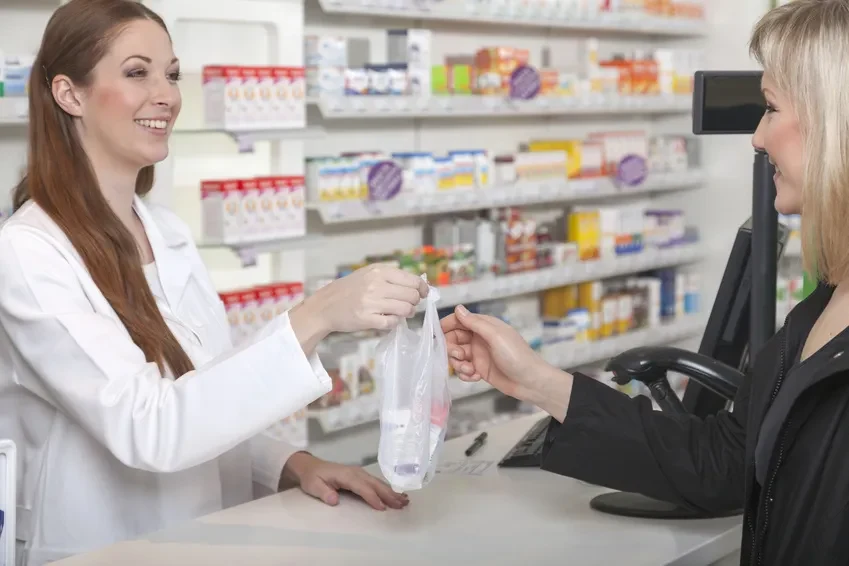
If you’re visiting from abroad, bring your prescription and your insurance card. If you don’t have German insurance, you’ll just pay the full price. Some people assume they can grab anything off the shelf like they do in a US drugstore, but that’s a mistake. Most effective medications require a consultation with the pharmacist first.
| Category | Cost Structure | Note |
|---|---|---|
| Prescription (Statutory) | 10% of cost | Minimum €5, Maximum €10 |
| Over-the-Counter (OTC) | Full price | No co-payment required |
| Private Insurance | Variable | Depends on individual policy |
When shopping for supplements or basic pain relief, you’ll see plenty of items on the shelves. These are non-prescription items, often called rezeptfrei. You can pick these up without a doctor’s note, though the pharmacist is still there if you aren’t sure which brand to grab.
The Reality of Emergency and Out-of-Hours Care
What happens if you wake up at 3:00 AM on a Sunday with a high fever? You don’t need to drive to an emergency room for a simple prescription refill or a mild infection. Germany uses a rotation system called Notdienst to make sure medical supplies stay accessible even when shops are closed. One pharmacy in each region stays open 24 hours, even on Sundays and holidays.
These pharmacies take turns covering night shifts and weekend duties. It’s a collective responsibility shared among local providers. You won’t find a single “mega-chain” that stays open all night; instead, it’s a staggered system of local Apotheken. To find which one is on duty, use the official ABDA search or look for the sign posted on the doors of any closed pharmacy. Most shops have a small window or a sign that says “Notdienst” with the address of the nearest open location.
This system is reliable, though it can be a bit annoying to travel across town at midnight. Still, it’s better than waiting until Monday morning when your symptoms might have worsened. (I once had to walk two kilometers in the rain at 2 AM just to get some eye drops, but it was worth the effort). This rotation means the local infrastructure stays functional without forcing one single shop to work every single holiday.
If you want a specific brand, you might have to wait until regular hours. The emergency service is for necessity, not convenience-shopping. They have the essentials, painkillers, fever reducers, basic antibiotics, and allergy meds, but they might not stock that specific high-end moisturizer or niche vitamin you wanted. Always check the official ABDA search to verify which pharmacy is on duty in your district.
Beyond Just Selling Pills: The Role of the Pharmacist
The person behind the counter isn’t just a shop assistant. In Germany, a pharmacy is managed by a highly trained pharmacist who has undergone rigorous academic training. This matters because it changes how you interact with the staff. They are healthcare providers first and retailers second. You can expect professional advice that goes beyond “it’s on sale.”
Modern German pharmacies have expanded their services to keep up with changing healthcare needs. They aren’t just warehouses for medicine boxes anymore. Many pharmacies handle small medical services that used to be reserved for doctors. You can go to your local Apotheke to have your blood pressure measured or to discuss how to dispose of expired medications. They are the frontline of preventative care in many neighborhoods.
Some locations even administer vaccinations. This is a growing trend as the system looks for ways to increase immunization rates without crowding out GP offices. If you’re looking for reliable medical supplies, companies like Wiga Pharma represent the kind of professional standards you should expect from the industry. The expertise in a local shop is quite high, which is a relief when you’re dealing with complex medication interactions.
Many people don’t realize they can walk in and get a quick consultation on whether a cough medicine is safe to take alongside their daily blood pressure pills. The pharmacist acts as a final safety check between the doctor’s prescription and your body. They see the full picture of your medication history if they are part of a coordinated care plan.
The physical layout is also designed for privacy. Most pharmacies have a high counter or a dedicated space where you can talk to the pharmacist away from other customers. Medical privacy is taken seriously here; you shouldn’t feel like you’re shouting your symptoms to the entire store. If you need a consultation, just step to the side and wait for a break in the queue.
Comparing Physical vs. Online Pharmacy Options
With digital health rising, many people wonder if the traditional Apotheke is becoming obsolete. The debate between physical storefronts and online pharmacies is a hot topic in Germany. Online pharmacies offer home delivery and often lower prices on non-prescription goods, which is great for those on a budget or for recurring orders of chronic medication.
However, a physical pharmacy offers something an algorithm cannot: immediate, face-to-face clinical assessment. If you have an unexpected rash or sudden, sharp pain, you can’t get an immediate physical assessment from a website. The local pharmacist can look at your skin or listen to your concerns in real-time. For urgent needs, the physical shop remains king.
The regulatory environment is strict, which helps. Even online pharmacies must follow the same safety standards regarding how medications are stored and shipped. You won’t find a “random” website selling cheap drugs in Germany; the system is too tightly regulated for that. If a site doesn’t look professional or lacks proper certification, stay away. The distinction between a legitimate online pharmacy and a dubious site is clear to those who know what to look for.
The best approach is a hybrid one. Use online services for routine, non-urgent items like vitamins, bandages, or monthly refills. This saves time and often a few Euros. But for anything that requires a quick question or an urgent need, stick to the local Apotheke. They are part of the community and are there when the digital world is asleep.
Is it actually worth the extra walk to a physical pharmacy instead of just ordering everything online? If you’re dealing with any kind of new or changing symptom, the answer is a definitive yes. Immediate access to a professional’s eyes and ears is worth more than the small discount you might find on a screen.